Family.
Tradition.
Quality.
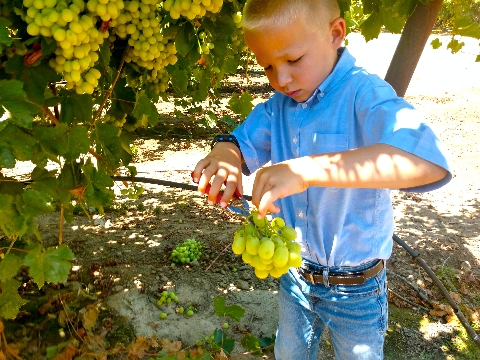
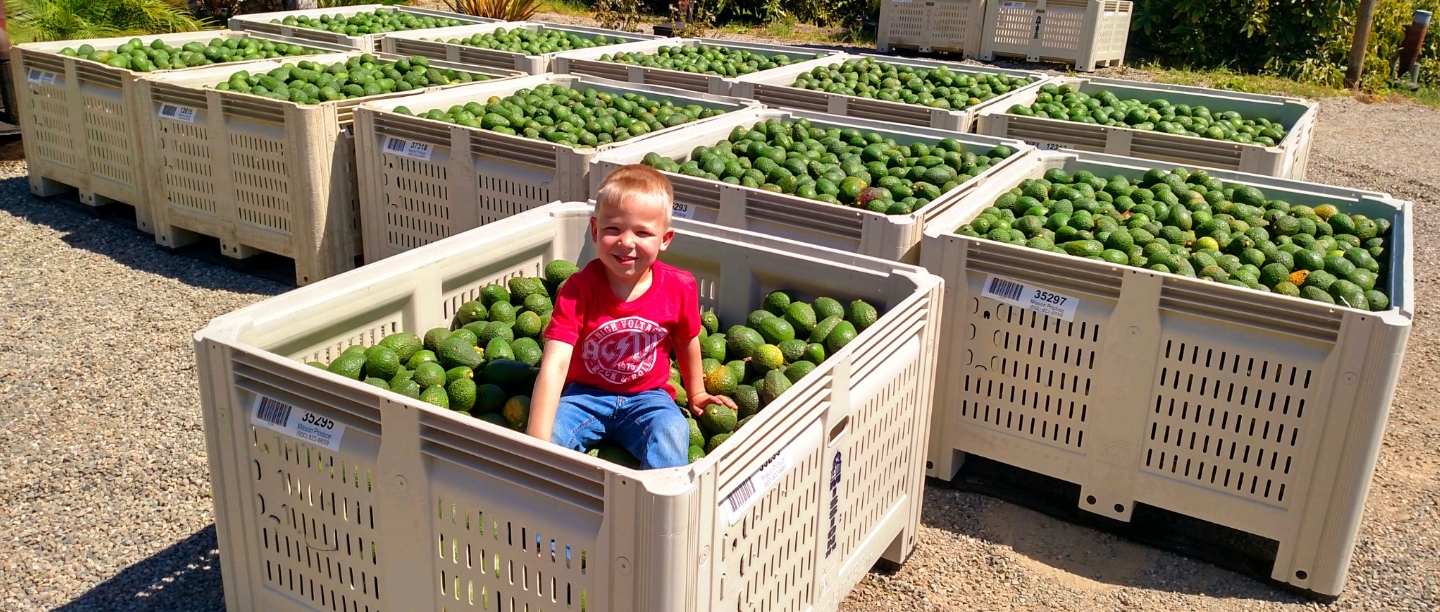
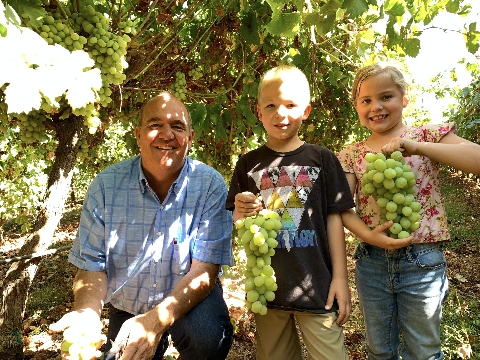
The Hein Family has been farming the lands of California for over 100 years. Comparing the small vineyard for Fortitude (seven acres) to the tens of thousands of acres farmed by the Hein Ranch Company is a fool’s errand. They have very little to do with one another. But that’s precisely the point. Martin Hein is a pioneer, following the road less travelled, always searching for the right answer, and never accepting defeat.
For as long as the Central Coast has grown grapes, there have been certain accepted beliefs, told by those who came before and understood by all. You see, the farming companies that put forth these practices did not care about excellence. The early vineyard management companies were farming for convenience and yields. They made their clients happy with great looking fruit, valuing quantity over quality. Yes, there was a time when the Central Coast planted the wrong spacing, the wrong root stocks with the wrong varietals, the wrong clones, in the wrong places. In fact, at one point there wasn’t much that was right.
One early belief was that you can’t plant so close to the ocean. They thought it was too cold, rot would overtake the vineyard, and the soil was too sandy or too barren. That land was thought to be better suited for golfers and coyote weed, not high-quality wine grapes.
Martin did not listen to the voices of the past. Instead, he listened to those of the future and his own inner voice. He put to work all the practices that set his farming company apart and adopted the ways of the old world. He planted the right varietals - both Pinot Noir and Chardonnay – using only the best clones from Dijon in Burgundy. He planted on own-root, not one of the root stocks more commonly used. This step alone would scare the establishment to death. But Martin believed in purity of the vine, and a 667 clone cannot be pure if it’s attached to a foreign root stock. He planted the vineyard in the coldest site in the Central Coast, and in very tight spacing, forcing them to fight for the right to be, for what doesn’t kill a vine will only make it stronger. The clones were intermixed, a Massal selection to give every clone the same exposure from front to rear and side to side. Like everything else, only the best techniques were used in the wine making process.
One early belief was that you can’t plant so close to the ocean. They thought it was too cold, rot would overtake the vineyard, and the soil was too sandy or too barren. That land was thought to be better suited for golfers and coyote weed, not high-quality wine grapes.